Theme
  • Home
  • Gallery
  • Trucks
    • 1964 Corvair Rampside TK
    • 1940 Era DeKalb Milk Wagon
    • Deliveral
      • 1949 Deliveral Stand/Drive
    • Divco
      • 1926 Divco Truck – Model A
      • 1929 Divco “G”
      • 1936 Divco S Stand/Drive
      • 1937 Divco SF Stand/Drive
      • 1941 Divco-Twin Stand/Drive
      • 1956 Divco #15 Stand/Drive
      • 1962 Divco #10 Stand/Drive
    • Ford-truck
      • 1931 Model AA Stand/Drive
      • 1956 Ford F-100 Pickup
      • 1956 Ford F-100 Pickup (rod)
      • 1967 Ford F-350 Stand/Drive
    • 1954 International Stand/Drive
    • 1937 Stutz Pakagecar Truck
    • 1933 Thorne B-2 Gas/Electric – Stand/Drive
    • 1936 Thorne C-1 Gas/Electric
    • 1931 Twin Coach Stand/Drive
    • Walker
      • 1919 Walker LA-10 Electric
      • 1938 Walker Gas/Electric
  • Cars
    • Cadillac
      • 1988 Cadillac Brougham Sdn
    • Chevy
      • 1927 Chevy 2 Door Sedan
      • 1955 Chevy Bel-Air Hard Top
      • 1966 Corvair Monza Convertible
    • Chrysler Products
      • 1934 DeSoto Airflow Sdn
      • 1956 Chrysler Imperial Sdn
    • Ford
      • 1930 Model A Ford Coupe
      • 1925 Ford Model T 2-Door Sedan
      • 1931 Ford Model A 4-Door Sedan
      • 1940 Ford Delux Tudor Sedan
      • 1951 Ford Victoria Hard Top
      • 1957 Ford Fairlane 500 hard top
      • 1960 Thunderbird 2-door
      • 1971 Mustang Grande Cp
      • 1976 Ford Country Squire
    • Lincoln
      • 1988 Lincoln Mark VII Coupe
    • 1956 Oldsmobile 88 Holiday 4 Door Hard Top
    • 1958 Mercury Turnpike Cruiser
    • 1951 Nash Statesman Sedan
  • Others
    • Transport Hauling Vehicles
    • Mini Vehicles
  • Contact Us
  • Tribute to Bif Florey
Theme
  • Home
  • Gallery
  • Trucks
    • 1964 Corvair Rampside TK
    • 1940 Era DeKalb Milk Wagon
    • Deliveral
      • 1949 Deliveral Stand/Drive
    • Divco
      • 1926 Divco Truck – Model A
      • 1929 Divco “G”
      • 1936 Divco S Stand/Drive
      • 1937 Divco SF Stand/Drive
      • 1941 Divco-Twin Stand/Drive
      • 1956 Divco #15 Stand/Drive
      • 1962 Divco #10 Stand/Drive
    • Ford-truck
      • 1931 Model AA Stand/Drive
      • 1956 Ford F-100 Pickup
      • 1956 Ford F-100 Pickup (rod)
      • 1967 Ford F-350 Stand/Drive
    • 1954 International Stand/Drive
    • 1937 Stutz Pakagecar Truck
    • 1933 Thorne B-2 Gas/Electric – Stand/Drive
    • 1936 Thorne C-1 Gas/Electric
    • 1931 Twin Coach Stand/Drive
    • Walker
      • 1919 Walker LA-10 Electric
      • 1938 Walker Gas/Electric
  • Cars
    • Cadillac
      • 1988 Cadillac Brougham Sdn
    • Chevy
      • 1927 Chevy 2 Door Sedan
      • 1955 Chevy Bel-Air Hard Top
      • 1966 Corvair Monza Convertible
    • Chrysler Products
      • 1934 DeSoto Airflow Sdn
      • 1956 Chrysler Imperial Sdn
    • Ford
      • 1930 Model A Ford Coupe
      • 1925 Ford Model T 2-Door Sedan
      • 1931 Ford Model A 4-Door Sedan
      • 1940 Ford Delux Tudor Sedan
      • 1951 Ford Victoria Hard Top
      • 1957 Ford Fairlane 500 hard top
      • 1960 Thunderbird 2-door
      • 1971 Mustang Grande Cp
      • 1976 Ford Country Squire
    • Lincoln
      • 1988 Lincoln Mark VII Coupe
    • 1956 Oldsmobile 88 Holiday 4 Door Hard Top
    • 1958 Mercury Turnpike Cruiser
    • 1951 Nash Statesman Sedan
  • Others
    • Transport Hauling Vehicles
    • Mini Vehicles
  • Contact Us
  • Tribute to Bif Florey

  • Home
  • 1925 Ford Model T 2-Door Sedan

1925 Ford Model T 2-Door Sedan
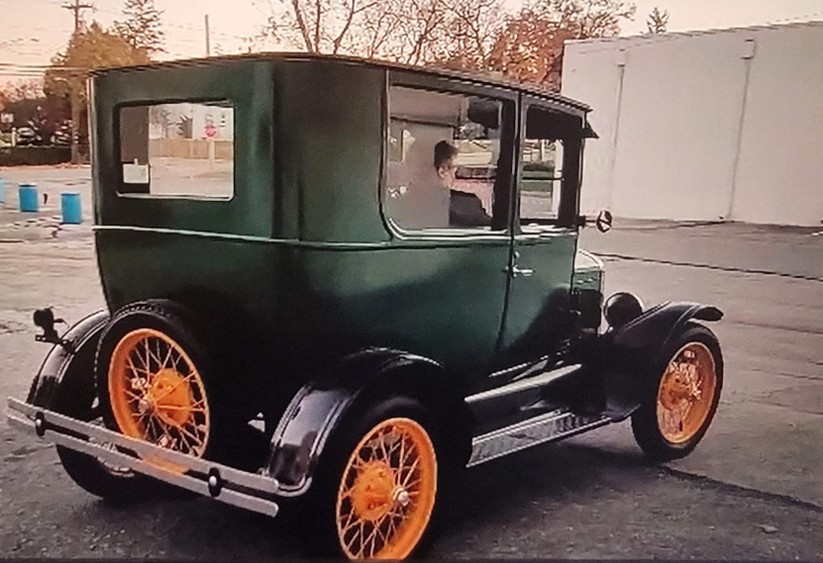
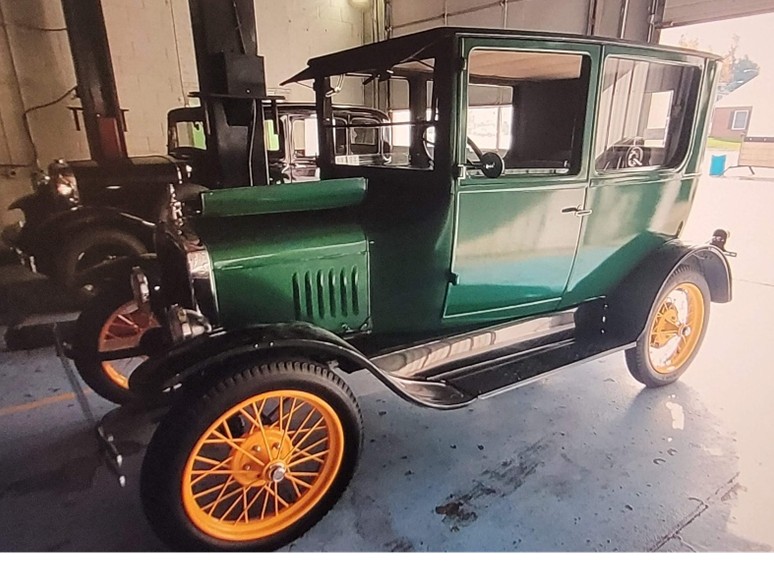
I never drove a Model T before I bought this car. The history of the Model T has always fascinated me. On of the things it did for families was to allow them to get around faster than the horse and buggy. The videos that are shown from this era of time, show how people drove these cars through the rough country sides, cross creeks, up over road banks, in the snow etc. With all these tough conditions and events that these cars were driven, a person would think the cars had to be as tough and rugged as an army tank. When you get to examine these vehicles, you wonder how they took the beating they were given. Henry Ford did a great job in designing a vehicle to provide the transportation, durability and the ease of repairing these vehicles for the average American family.

I haven’t mastered the shifting and braking of the three pedal system yet. My problem is the left pedal that is the normal clutch pedal is the low and high gear pedal. The normal brake pedal is the brake pedal for the lousy rear brakes that are on these cars. I’m used to pushing in the left pedal to disengage the clutch and using the right foot to apply the brakes when trying to stop a normal modern vehicle. When you do that on these vehicles your left foot is making sure you are in gear to go forward and the right foot is trying to brake or stop the car, which actually keeps you going forward and you don’t stop. I have to try to forget that procedure when trying to drive this vehicle.

I bought this car from a man who had it for years but was moving to Hawaii and couldn’t take it along with him. This car does have a Ruckstell rear which is a plus. We are installing a disc braking system on the rear axle to give us maximum braking compared to the band style brakes that were OEM on these cars. We are also looking at installing a gas tank system under the car floor instead of having the tank under the driver’s seat.

Here is an article from the Internet on Goggle AI:

The Ford Model T, launched in 1908, is considered one of the most influential automobiles in history due to several key factors that revolutionized transportation, industry, and American society.

Affordability and accessibility

  • Prior to the Model T, cars were expensive and generally seen as luxury items.
    Henry Ford envisioned a car for the “great multitude” – one that was affordable, reliable, and easy to maintain, according to the Detroit Historical Society.
  • The initial price was $850, but thanks to innovations in manufacturing, the price dropped significantly over the years, reaching as low as $260 by 1924.
  • This affordability made the Model T accessible to the middle class, creating a mass market for automobiles that previously didn’t exist.


Manufacturing innovations

  • Ford’s adoption of the moving assembly line in 1913 was a game-changer.
  • Inspired by the methods used in meatpacking plants, Ford applied these techniques to car production, drastically reducing the time and cost of manufacturing.
  • The assembly time for a Model T was reduced from over 12 hours to just 93 minutes by 1914.

In summary, the Ford Model T’s importance stems from its affordability, the groundbreaking mass production techniques employed, and its profound impact on American society and the economy, making it a truly revolutionary vehicle that shaped the 20th century

© 2026 J Crist Museum. All Rights Reserved.